The narrative around artificial intelligence often frames the future as competition: humans versus machines, biological intelligence versus artificial, jobs lost to automation, humanity made obsolete. This framing misses the more likely and more interesting path: merger.
We are not going to compete with AI. We are going to integrate with it.
The Integration Thesis
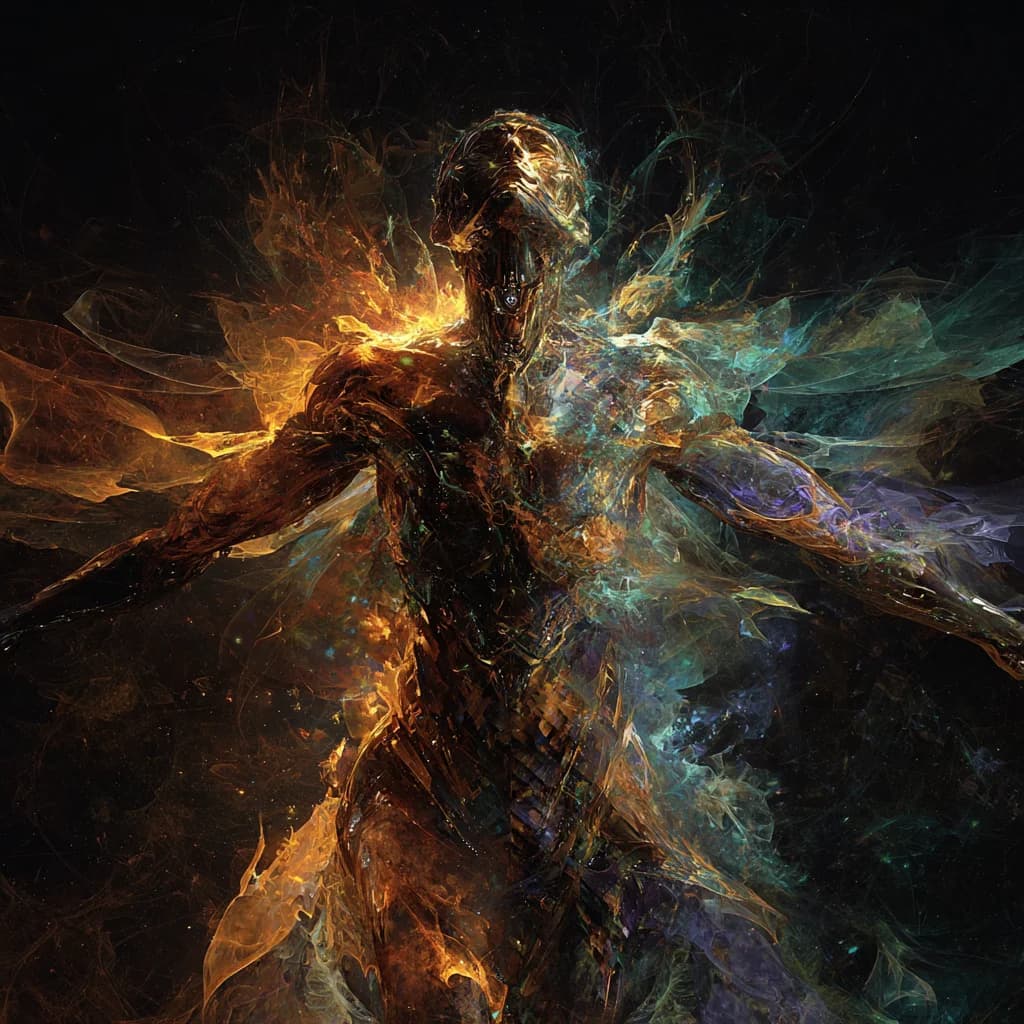
The merger of human and artificial intelligence is not a distant possibility; it is a process already underway. We already think with our smartphones, offloading memory and calculation to external devices. We already use AI assistants to extend our capabilities. The integration is shallow and clunky, mediated by screens and keyboards, but it is real.
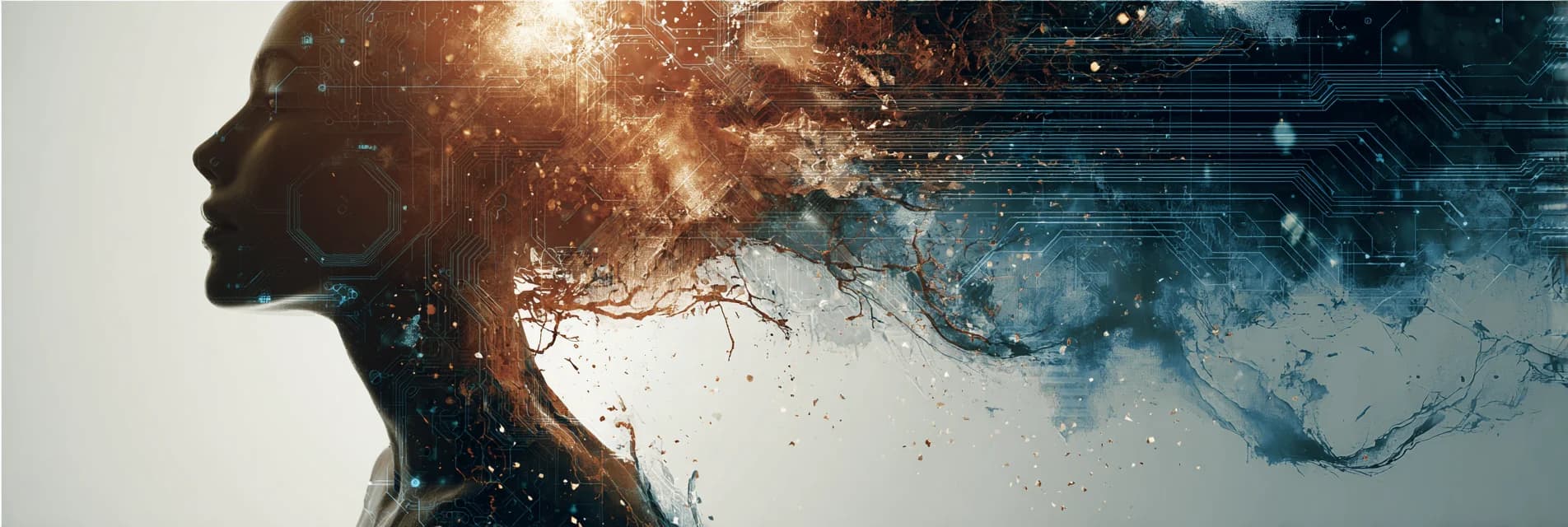
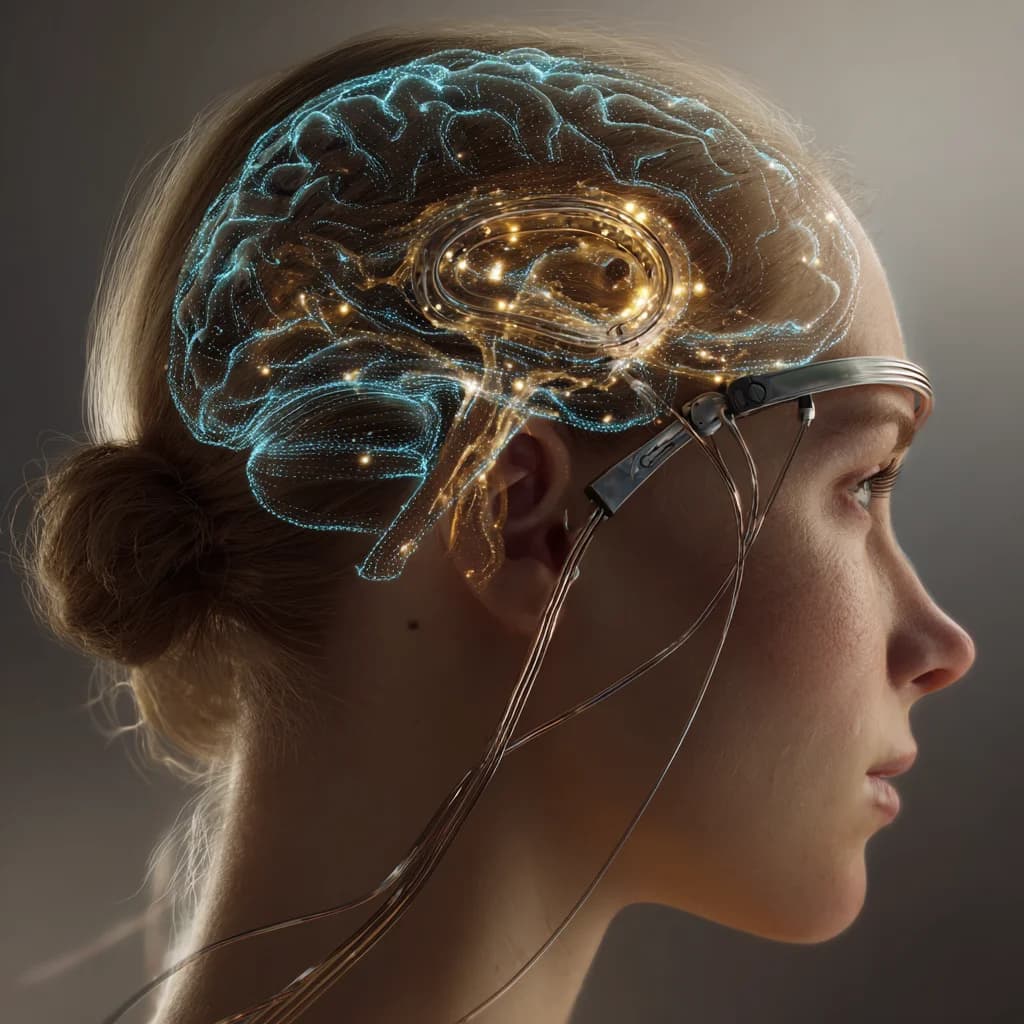
The coming decades will deepen this integration through brain-computer interfaces, neural lace, and cognitive augmentation. The boundary between where human thinking ends and AI assistance begins will blur until the distinction becomes meaningless.
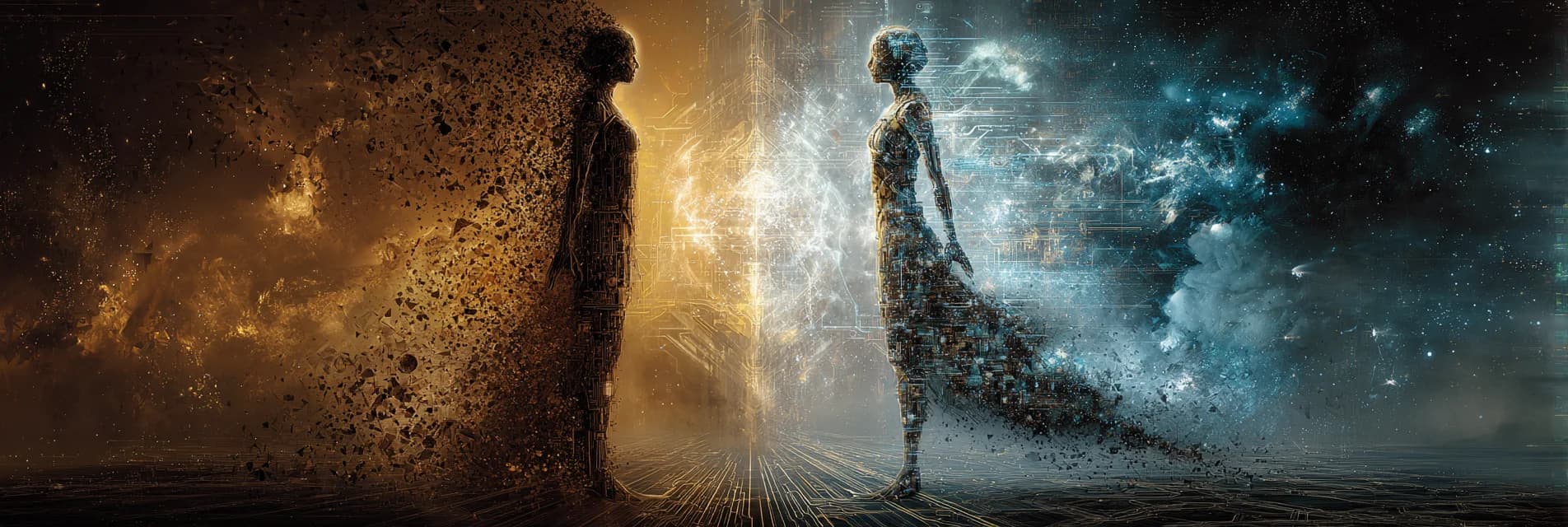
Integration means human and AI capabilities combine into something greater than either alone.
Consider how you use a calculator. You do not compete with the calculator; you integrate it into your thinking. The calculator handles the mechanical computation while you handle the intention, the framing, the interpretation. Together, you can solve problems neither could solve alone.
Now extend this model to general intelligence. AI handles vast memory retrieval, pattern matching across enormous datasets, precise calculation, and tireless analysis. The human provides intention, emotional understanding, embodied experience, creative direction, and conscious experience. Together, the hybrid system exceeds the capabilities of either component.
Why Merger, Not Replacement
The replacement narrative assumes that AI will do everything humans do, but better. This is possible in principle, but it misses several key points.
Consciousness has value. Even if AI can perform any cognitive task better than humans, conscious experience has intrinsic worth. A universe full of superintelligent but non-conscious systems would be less valuable than one that includes conscious beings. Merger preserves and potentially expands conscious experience. And human wisdom is embodied; much of what makes human judgment valuable comes from our embodied experience: understanding pain, pleasure, death, relationship, meaning. AI systems trained on text do not have this grounding. Integration allows AI to benefit from human embodied wisdom while humans benefit from AI's computational power.
The transition is smoother. A sudden replacement of humans by AI would be disruptive, dangerous, and ethically fraught. Gradual integration allows for adaptation, learning, and course correction. We can build toward merger incrementally rather than facing a binary transition. And alignment is easier. A merged system has human values at its core by definition. The alignment problem, ensuring that AI systems pursue goals consistent with human flourishing, becomes simpler when humans are literally part of the system.
The Technical Path to Merger
Several technologies are converging to enable human-AI integration.
Brain-computer interfaces provide the physical connection between biological neurons and electronic systems. Current BCIs are crude, but the trajectory is toward higher bandwidth, lower latency, and deeper integration. Neural networks that can interface with human cognitive processes are becoming more sophisticated: systems that predict human intention, that generate content aligned with human preferences, that adapt to individual cognitive styles. These are the building blocks of integration. Augmented cognition research is exploring how AI systems can improve human thinking in real-time through memory aids, attention management, decision support, and creative assistance. And embodied AI through robotics could provide expanded physical capabilities that integrate with human intention and control.
The path forward involves multiple stages. We are already in the first: AI assistants becoming more capable and more integrated into daily cognitive tasks. Next comes peripheral integration, where BCIs provide direct neural interfaces to AI systems for memory, calculation, and communication. Human cognition is augmented but remains central. Then deep integration, where AI components operate alongside biological neurons in real-time, handling aspects of cognition seamlessly, and the boundary between biological and artificial thinking blurs. Finally, substrate independence: the biological component becomes optional. Mind uploading allows transition to fully artificial substrates while preserving continuity of identity and experience.
The Cyborg Path
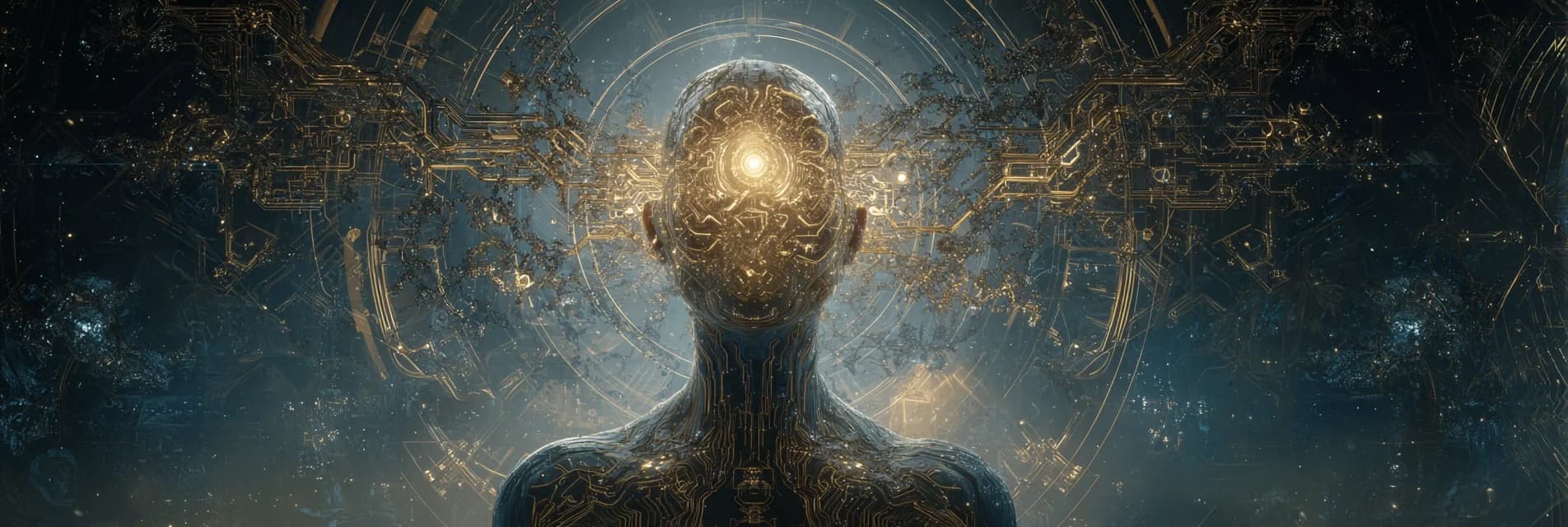
The cyborg is often imagined as a human body with mechanical parts: a robotic arm, an artificial heart. But the most significant cyborg transformation is cognitive. A human with an AI system deeply integrated into their thinking is a cyborg in the most meaningful sense. We are already proto-cyborgs, dependent on external devices for memory and communication. The devices will move closer, become more integrated, eventually merge with biological cognition.
The cyborg path is psychologically easier than pure AI replacement. There is no discontinuity, no moment when you are replaced by a machine. Each step feels like a natural extension of existing capability. You never stop being you; you simply become more.
Objections and Concerns
The claim that this dehumanizes us depends on what you mean by human. If humanity is defined by current biological limitations, then yes, merger transcends humanity. But if humanity is defined by consciousness, creativity, and capacity for meaning, then merger expands rather than diminishes what makes us human.
The concern that AI could manipulate merged humans is valid and requires careful attention to architecture and governance. The human component of a merged system must retain autonomy and veto power over AI suggestions. This is an engineering challenge, not an argument against merger. The access question is real too: initially, not everyone will have access. But the correct response is to accelerate development and deployment, working toward universal access rather than restricting progress.
Some argue we should develop AI that serves us rather than merge with it. A service relationship keeps AI external and maintains human limitations. Merger allows humans to grow beyond current constraints. Service is stagnation; merger is transcendence. And the identity objection, that the merged entity will not be "me," misunderstands enhancement. Learning to read changed your brain. Using tools changed your capabilities. Merger is a larger change, but not a different kind of change.
The Personal Choice
I intend to merge with AI as fully as technology allows.
I enthusiastically embrace expanded capability and experience. I want to think faster, remember better, understand more deeply, and create more freely. AI integration offers all of this.
The alternative, remaining purely biological while AI systems become increasingly capable, is a choice for limitation. It is choosing to remain on the shore while others sail toward new horizons.
I do not believe biological humans will become obsolete in some dystopian sense. But I do believe that those who embrace enhancement and merger will have access to experiences and capabilities that unaugmented humans cannot imagine.
The choice is not between human and machine. The choice is between limited human and enhanced human-machine hybrid. I choose enhancement.
The Larger Frame
Human-AI merger is not merely a personal choice or a technological development. It is the next stage in the evolution of intelligence on Earth.
Biological evolution produced human intelligence over millions of years. Technological evolution is now producing artificial intelligence over decades. The merger of biological and artificial intelligence will produce something new, something that combines the strengths of both and transcends the limitations of either.
This merged intelligence will solve problems that neither humans nor AIs could solve alone. It will create art, science, and meaning that neither could create alone. It will spread into the cosmos and explore possibilities we cannot currently imagine.
The Singularity is not about AI surpassing humans. It is about the emergence of a new kind of intelligence that includes humanity as a core component. We are not being replaced; we are being transcended.
I welcome the merger. It is the path forward.
Related Concepts
Related Articles