
Key Points
- •The civil right to maintain or modify your own body as you choose
- •Extends to cognitive modifications, genetic alterations, and cybernetic enhancements
- •Foundational principle of transhumanist ethics and bodily autonomy
- •Argues that restrictions on self-modification violate fundamental freedoms
- •Includes the right to transition between substrates (biological to digital)
The Right to Self-Modification
Morphological freedom is the proposed civil right to modify one's own body and mind according to one's desires. Just as we accept the right to dress as we wish, choose our hairstyle, or get tattoos, morphological freedom extends this principle to more radical modifications enabled by emerging technology.
The concept was articulated by philosopher Anders Sandberg as a foundational principle for transhumanist ethics.
The Principle
The core argument is simple:
1. We own our bodies
2. What we own, we can modify
3. Therefore, we have the right to modify our bodies
This seems intuitive for minor modifications, cosmetic surgery, tattoos, piercings. But morphological freedom extends to:
- Genetic modifications to enhance capabilities
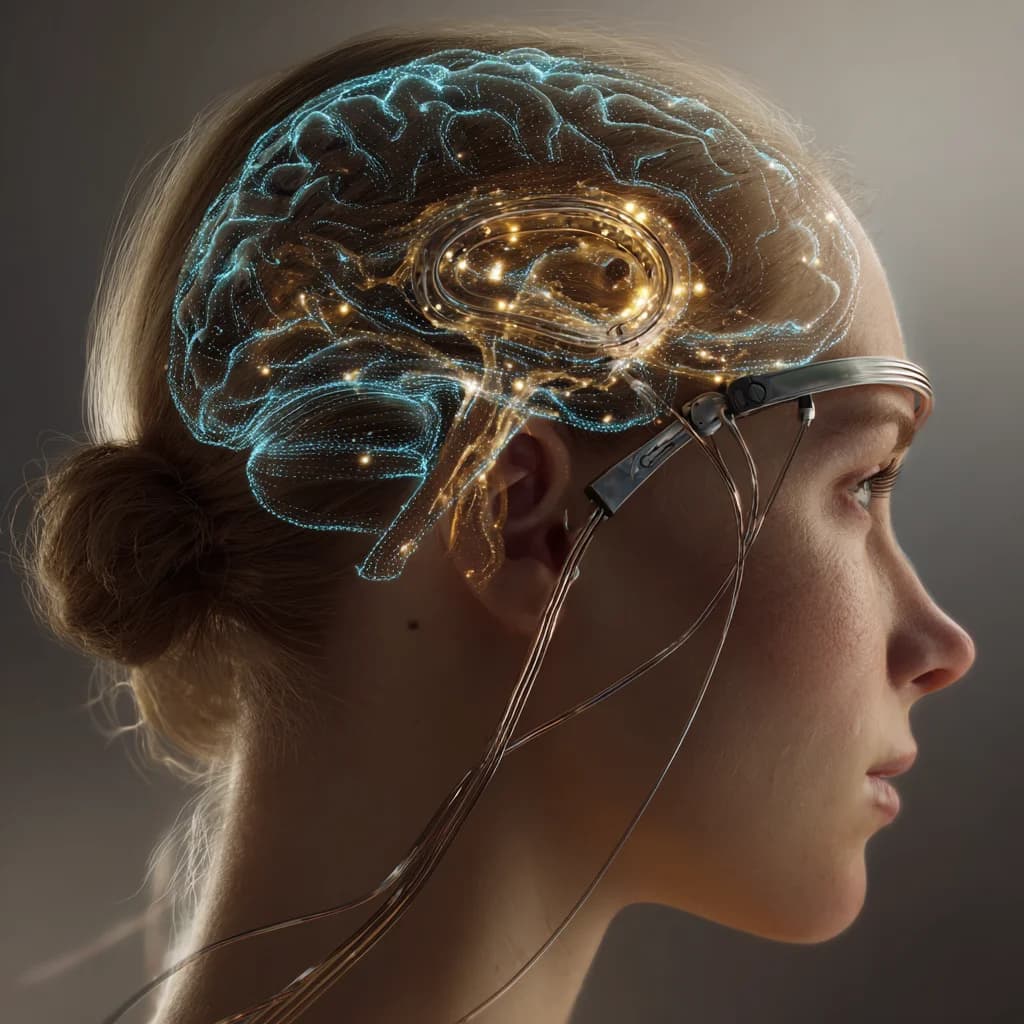
- Brain-computer interfaces to augment cognition
- Radical life extension treatments
- Gender transition and bodily transformation
- Eventually, uploading to digital substrates
Limits and Boundaries
Like other freedoms, morphological freedom has proposed limits:
Informed consent: Modifications should be freely chosen by competent individuals who understand the risks.
Reversibility concerns: Permanent modifications, especially to future generations (germline editing), raise additional ethical questions.
Harm to others: Your modifications shouldn't harm others, though what counts as "harm" is debated. (Does enhancing yourself harm others by making them relatively disadvantaged?)
Children: Modifications to children who cannot consent are controversial, though we already modify children through education, environment, and medicine.
Current Restrictions
Today, many modifications are restricted:
- Unapproved medical devices and drugs face legal barriers
- Performance-enhancing drugs are banned in sports
- Some countries restrict cosmetic surgery or hormone access
- Gene therapy is heavily regulated
- Mind-altering substances face legal prohibition
Transhumanists argue these restrictions often lack principled justification and infringe on bodily autonomy.
Philosophical Foundations
Morphological freedom connects to broader philosophical principles:
Bodily autonomy: The same principle underlying reproductive rights, medical decision-making, and end-of-life choices.
Self-ownership: The libertarian principle that you are the rightful owner of your own body.
Cognitive liberty: The right to control your own mental states and processes.
Dignity through choice: Human dignity comes not from a fixed human nature but from the ability to shape oneself.
The Future
As enhancement technologies mature, morphological freedom debates will intensify. Questions that seem hypothetical today, should you be able to give yourself gills? Replace your brain with silicon? Merge your consciousness with an AI?, will become practical policy issues.
How we resolve these questions will shape what it means to be human in the coming century.
Related Concepts


Thinkers Exploring This


Related Articles