Key Points
- •Economic state where goods and services are abundant and nearly free
- •Enabled by AI automation, nanotechnology, and abundant energy
- •Most material needs could be met with minimal human labor
- •Challenges traditional economic concepts of value, work, and distribution
- •Requires new social structures for meaning and purpose beyond work
The Concept
Post-scarcity refers to a hypothetical economic state in which most goods and services can be produced in great abundance with minimal human labor, making them effectively free or nearly so. In a post-scarcity world, the fundamental economic problem, how to allocate limited resources among unlimited wants, would be transformed or eliminated.
The measure is the cost of meeting basic needs, and many luxuries, falling so low that scarcity ceases to be the organizing principle of society, rather than everyone becoming a billionaire in today's terms.
Enabling Technologies
Several converging technologies could enable post-scarcity:
AI and automation: When AI can perform most cognitive work and robots can perform most physical work, labor costs approach zero. Production becomes limited by energy and raw materials rather than human effort.
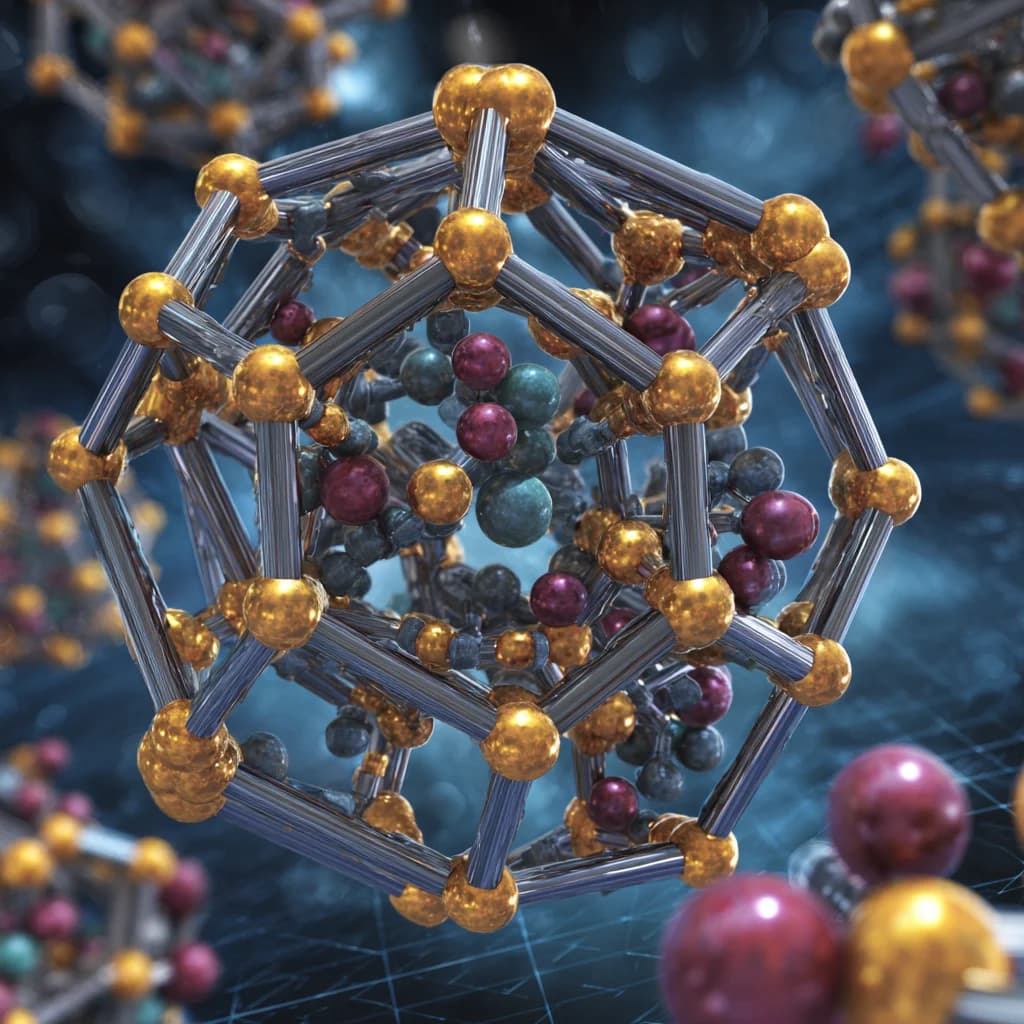
Molecular nanotechnology: If molecular assemblers can build any physical product from raw materials and designs, manufacturing becomes a matter of running programs. The marginal cost of goods approaches the cost of raw atoms and energy.
Abundant clean energy: Fusion power, advanced solar, or other breakthroughs could make energy so cheap it's practically free, and energy is the ultimate input to all production.
Superintelligent AI: An ASI could optimize production, discover new technologies, and solve resource constraints in ways we can't anticipate.
Already Underway
The curves are already bending. The cost of solar electricity fell by roughly 90% during the 2010s. The price of running a language model at a given level of capability has been falling about tenfold a year. Sequencing a human genome went from $100 million to a few hundred dollars. Each is a slice of the economy where abundance has already begun.
What Remains Scarce
Even in a post-scarcity world, some things may remain scarce:
- Status and relative position: You can't give everyone the top position
- Attention and authentic relationships: Human time and connection remain finite
- Original creative works: The first painting by an artist, not a copy
- Physical location: Beachfront property, proximity to others
- Novel experiences: Once experienced, they can't be unexperienced
Social Implications
Post-scarcity challenges fundamental assumptions:
Work and identity: If work is optional, what provides meaning and structure? How do people define themselves?
Distribution: If production is free, how are goods distributed? By need? By desire? By lottery?
Motivation: What drives innovation and effort if survival isn't at stake?
Politics: Many political conflicts are fundamentally about resource distribution. What remains to fight about?
The Transition
The path to post-scarcity may be turbulent. Technological unemployment could create hardship before abundance arrives, and power could concentrate in whoever controls the technologies of abundance. The technologies are coming either way; the work of this generation is making sure their gains reach everyone on the way there.
Related Concepts

Thinkers Exploring This
Related Articles