The automation of physical labor took centuries. The automation of cognitive labor is taking years.
In 2020, AI could barely write a coherent paragraph. By 2025, AI systems write legal briefs, generate code, produce art, conduct research, and engage in complex reasoning. The capabilities that seemed decades away arrived in months.
The implications for human labor are profound and immediate.
The Acceleration
Previous waves of automation displaced specific skills while creating demand for others. Tractors eliminated farm jobs; factories created manufacturing jobs. Computers eliminated typing pools; they created IT departments.
This wave is different. AI is a general-purpose technology that improves at tasks across the entire cognitive spectrum. There is no obvious category of human intellectual work where AI cannot eventually match or exceed human performance.
"Eventually" is the key word, but the timeline is compressing. Tasks that experts said would take decades are being accomplished in years. The reasonable assumption is no longer that human cognitive work is safe; it is that any task teachable to a human can be taught to an AI, usually faster and cheaper.
What Gets Automated
The pattern is already visible.
Routine cognitive work goes first. Data entry, basic analysis, standard document generation, customer service scripts: these are largely automatable today. The remaining human workers in these roles are there because of organizational inertia, not technical necessity. Professional expertise follows close behind. Legal research, medical diagnosis, financial analysis, engineering calculations: AI systems are already matching human specialists in narrow domains. The expansion to broader professional competence is a matter of training data and compute, not fundamental breakthroughs.
Creative work is not immune. AI generates images, music, and text that most people cannot distinguish from human output. The romantic notion that creativity is uniquely human is being empirically falsified. Creativity is pattern manipulation; machines can manipulate patterns. Management and coordination may be among the last to fall, but they will fall. AI systems are beginning to decompose complex projects into tasks, allocate resources, and adjust plans dynamically. The judgment calls that define management are becoming algorithmic.
The Timing Question
When does this reach critical mass? Sooner than most expect.
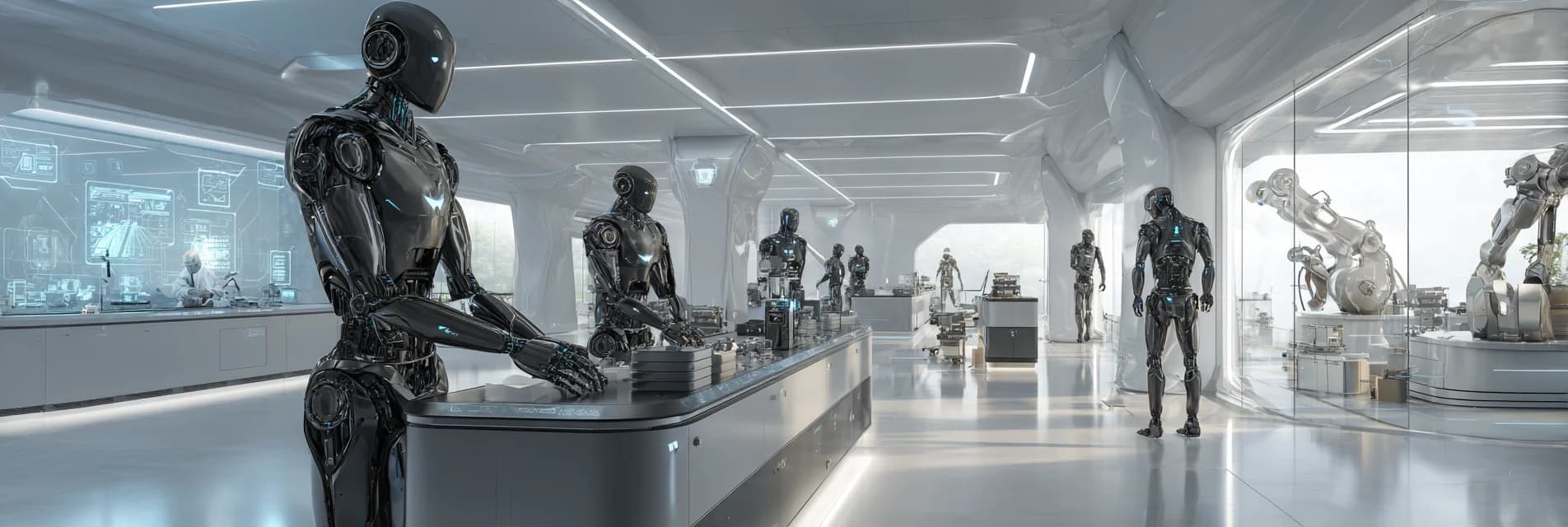
By 2030, effectively all knowledge work will be automatable: professional expertise, creative work, management, research. AI systems are improving at a pace that makes "decades away" predictions obsolete within months. By 2035, robotics will automate most manual labor as well, as the same breakthroughs driving cognitive automation are applied to physical systems. Humanoid robots are progressing from research curiosities to commercial products. Warehouses, construction, agriculture, manufacturing.
More fundamentally, AI will surpass humans in every domain. General intelligence, creativity, social reasoning, scientific discovery. The gap between human and machine capability will widen until comparison becomes meaningless. This is the logical consequence of recursive improvement: systems that improve themselves accelerate beyond any fixed target. The question is not "if" but how we adapt.
The Distribution Problem
Technological unemployment is not a new concept, but previous transitions had two features that may not apply this time.
First, they were slow enough for generational adaptation. People displaced from agriculture could encourage their children to pursue factory work. The children of factory workers could be educated for service jobs. A transition that occurs within a single career does not allow this adaptation.
Second, they created new categories of human work. This may not happen when the automating technology is general-purpose intelligence. If AI can learn any learnable task, there is no obvious domain that humans can retreat to.
This creates a distribution problem. Productivity gains from AI will be enormous; economic output could increase by orders of magnitude. But if that output is owned by a small group who control the AI systems, the majority of humanity could be rendered economically irrelevant.
This is a challenge, but challenges are opportunities. The solution is to accelerate the transition and distribute the gains broadly.
Possible Responses
Several responses are being discussed.
Universal Basic Income provides a floor of material security regardless of employment. It addresses the distribution problem directly but does not address the meaning problem. People need more than money; they need purpose. Human-AI collaboration assumes humans and AI will work together, with AI handling routine tasks while humans provide judgment and creativity, but this is a transitional state that assumes a permanent human advantage that does not exist.
Status redistribution recognizes that much of what we call "work" is actually social positioning. If material needs are met, humans may compete for status through other means: artistic achievement, athletic performance, social contribution, exploration. But the most interesting response is radical life extension, which changes the equation entirely. If humans are not dying, the urgency of the employment question diminishes. A person with centuries to live can afford to spend decades developing skills that AI cannot replicate, or simply pursuing experiences that require no economic justification.
The Meaning Question
Beyond economics lies a deeper challenge: What do humans do when our labor is not needed?
Work provides more than income. It provides structure, social connection, identity, and purpose. Remove work and these must be found elsewhere.
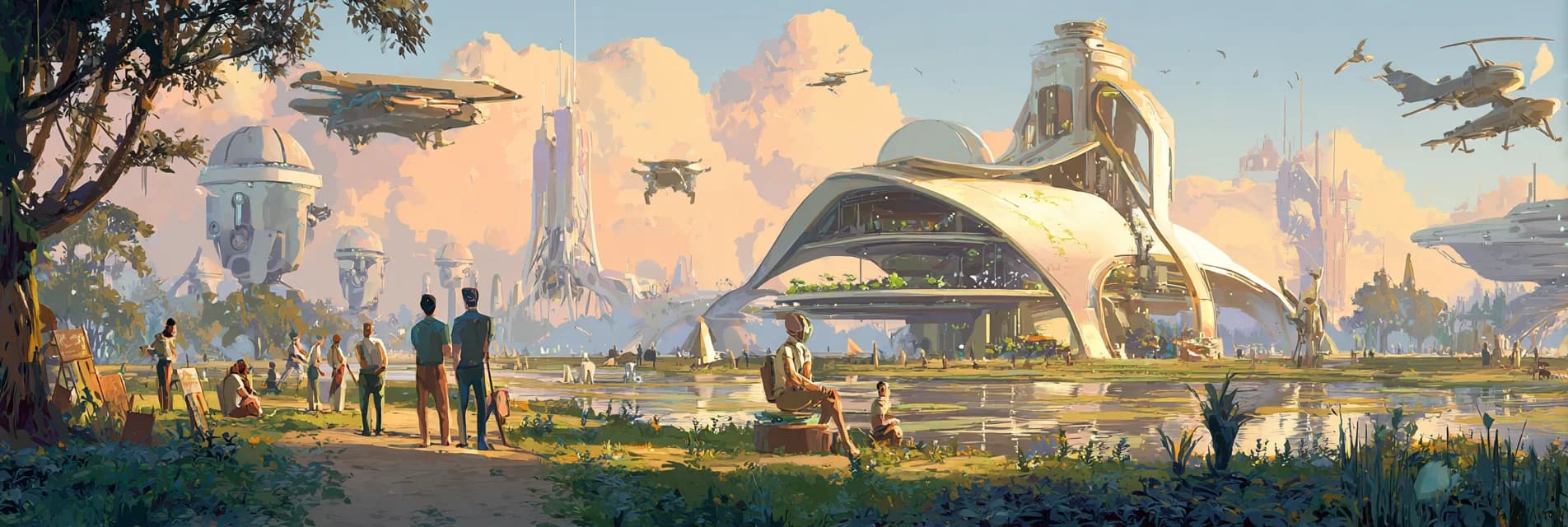
Some will flourish. They will pursue art, exploration, relationships, and personal growth unconstrained by economic necessity. The Renaissance had patrons who enabled this for a few; post-labor economics could enable it for everyone.
Others will struggle. Without external demands on their time and energy, they will drift into addiction, depression, and nihilism. The freedom that liberates some will crush others.
The right response is to prepare for its psychological and social consequences with the same seriousness we apply to its economic consequences.
The Path Forward
The transition to post-labor need not be catastrophic. But it will not be benign by default. It requires active choices:
Distribute the gains broadly. The productivity increases from AI must benefit the population broadly, not concentrate in the hands of AI owners. This requires policy choices about taxation, ownership, and public investment. Prepare for meaning, not just material needs; education, community structures, and social norms must evolve to support human flourishing in the absence of mandatory work. This is primarily a cultural project, not an economic one.
Accelerate complementary technologies. Life extension, cognitive enhancement, and space expansion create new frontiers for human purpose. A civilization of enhanced humans exploring the cosmos has no shortage of meaningful activity. And move fast. The transition is coming regardless of policy. The best approach is to accelerate toward full automation and abundance. Speed is a feature, not a bug.
Conclusion
The end of labor as we know it is the liberation from an arrangement that tied purpose to economic necessity.
For ten thousand years, most humans have had no choice but to work for survival. That constraint is lifting. What comes next is not uncertainty; it is opportunity.
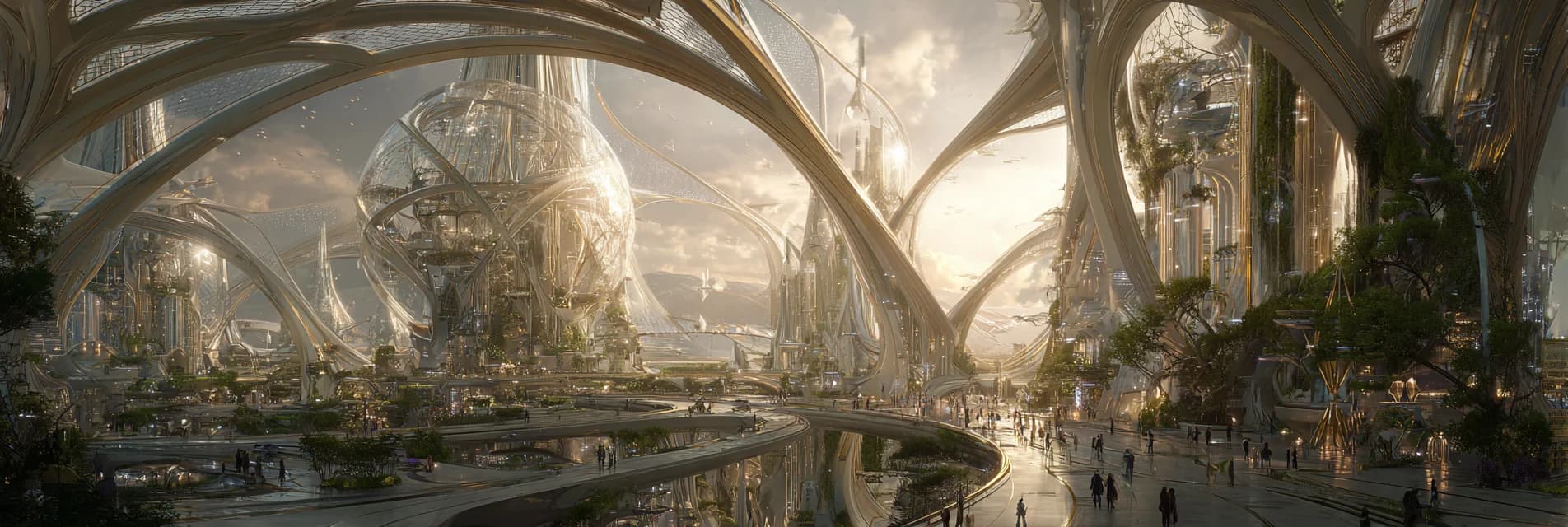
The post-labor world will be a renaissance. It will free humanity to pursue what matters: enhancement, transcendence, exploration, connection. The end of mandatory work is the beginning of everything else.
Related Concepts


Related Articles