Key Points
- •Unemployment caused by technological change outpacing job creation
- •AI threatens cognitive jobs previously considered safe from automation
- •Debate: will new jobs replace old ones, or is "this time different"?
- •Potential solutions: UBI, job guarantees, reduced work hours
- •Transition period may be turbulent even if long-term outcome is positive
When Machines Do the Work
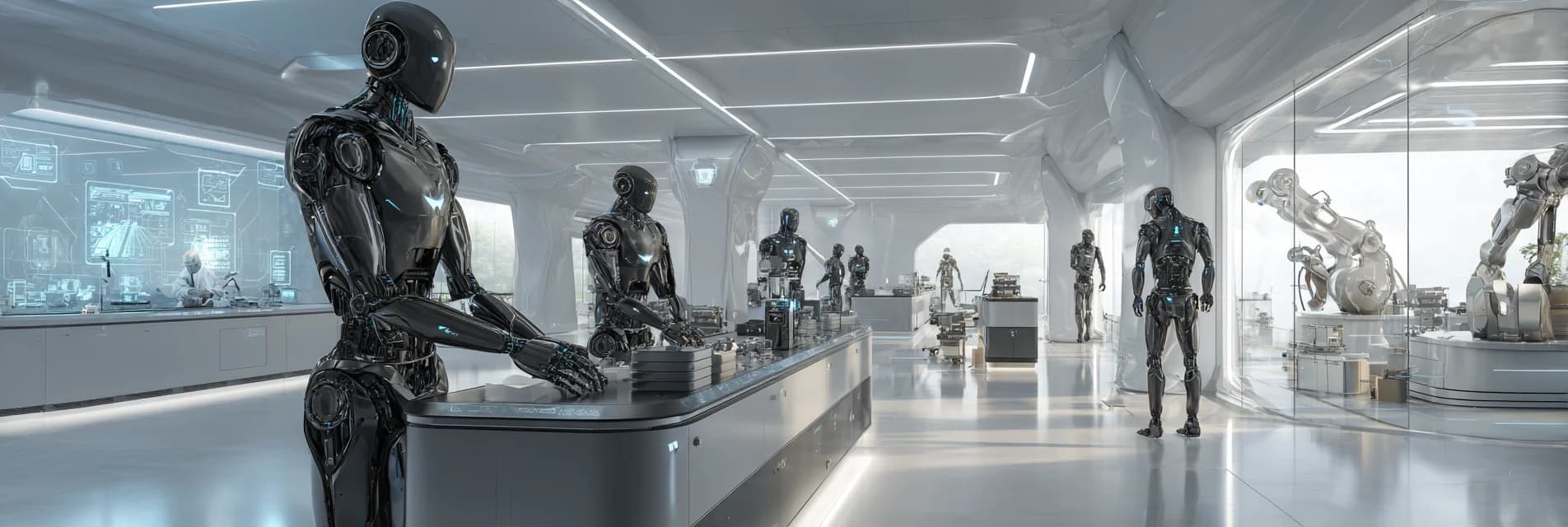
Technological unemployment occurs when automation and technological change eliminate jobs faster than the economy creates new ones. While technology has always displaced workers, AI may be qualitatively different, capable of performing cognitive tasks that were previously automation-proof.
Technology has always destroyed jobs. The question is whether this time the destruction outpaces creation, and for how long.
The Historical Pattern
Past waves of automation followed a pattern:
1. New technology displaces workers in specific industries
2. Displaced workers transition to new industries
3. Overall employment recovers as new jobs emerge
4. Living standards ultimately rise
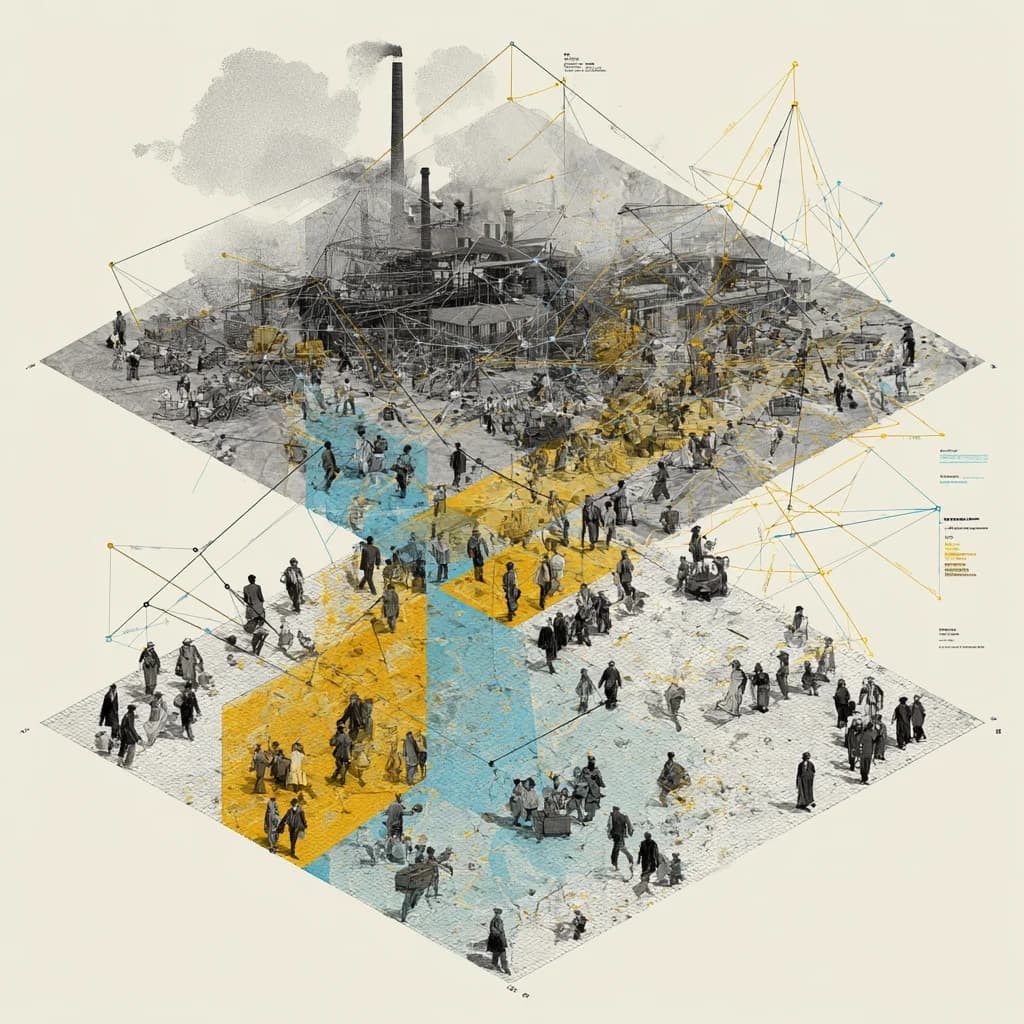
The agricultural revolution moved workers from farms to factories. The industrial revolution moved workers from factories to services. Each transition was painful but ultimately beneficial.
Why "This Time Is Different" (Maybe)
Several factors suggest AI disruption might break the historical pattern:
Cognitive capability: Previous automation replaced muscle power while humans kept their cognitive advantage. AI can now write, analyze, create, and reason. What jobs remain when machines can think?
Speed of change: Transitions that previously took generations might now happen in years. Workers may not have time to adapt.
Breadth of impact: AI affects virtually all industries simultaneously, there's no "safe" sector to transition into.
Capital concentration: AI creates value that accrues to AI owners, not workers. Even if productivity soars, workers may not benefit.
Current Evidence
The evidence of AI-driven displacement is mounting:
- Automation has displaced manufacturing workers for decades
- Generative AI is now directly affecting white-collar work: a 2025 Stanford study of payroll data found a 13% relative decline in employment for workers aged 22 to 25 in the most AI-exposed occupations, such as software development and customer service
- Goldman Sachs estimated in 2023 that generative AI could affect 300 million jobs globally
- Companies are increasingly reporting AI-driven productivity gains that reduce headcount needs
- New job categories continue to emerge, from AI operations to agent supervision and evaluation, while the balance between displacement and creation is still being measured
Potential Responses
Universal Basic Income: Decouple survival from employment. Let people pursue meaning without requiring jobs.
Job guarantee programs: Government as employer of last resort.
Reduced work hours: Share available work across more people.
Education and retraining: Help workers transition to new roles.
AI ownership distribution: Ensure AI benefits are broadly shared.
The Point of Automation
Automation was always supposed to free people from work they would not choose. Machines taking over toil is the purpose of technology, and a world where people work because they want to is a better one.
The real risk is the transition. Mass unemployment without safety nets creates poverty, unrest, and desperation. Getting the policy right, so the gains of automation reach the people it displaces, is what turns technological unemployment into the liberation it was meant to be.
Related Concepts





Related Articles