Philosophy
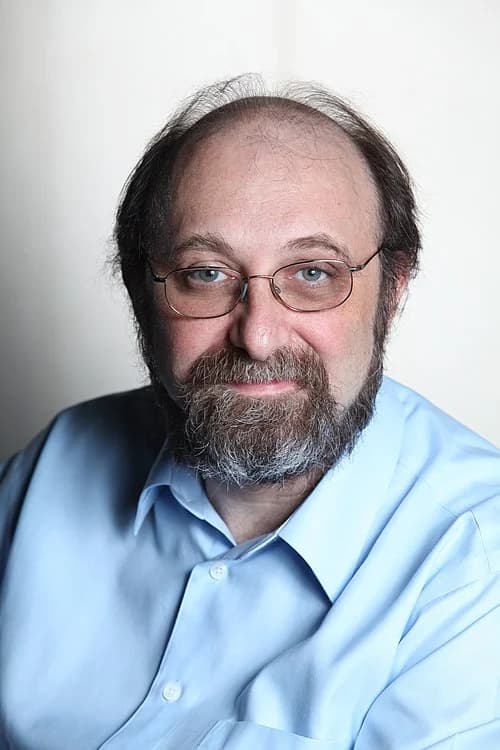
Miguel Nicolelis
Duke Professor Emeritus, Brain-Machine Interface Pioneer
Miguel Nicolelis demonstrated that brains can directly control machines, opening the door to a future where human cognition extends beyond biological limits. His lab at Duke created brain-machine interfaces that allowed monkeys to control robotic arms with thought alone, and enabled a paralyzed person to kick a soccer ball at the 2014 World Cup using an exoskeleton. Nicolelis sees the brain not as a computer but as a complex, adaptable system that can incorporate external devices into its body schema. His "brain-net" research has even linked multiple brains together, hinting at future possibilities for shared cognition. These technologies represent early steps toward the merger of human and machine intelligence.
Key contributions
- Pioneered brain-machine interface technology
- Enabled paralyzed patient to walk with exoskeleton
- Created "brain-net" linking multiple brains
- Author of "Beyond Boundaries"