
Key Points
- •Coined by David Gobel, popularized by Aubrey de Grey
- •The point where life expectancy increases by more than one year per year
- •Requires therapies that can repair age-related damage faster than it accumulates
- •The SENS framework identifies 7 categories of aging damage to address
- •Could theoretically result in indefinite lifespans for those who reach LEV
The Concept
Longevity Escape Velocity (LEV) is the point at which medical technology advances fast enough that life expectancy increases by more than one year for every year that passes. Once you reach LEV, every year of progress buys more than a year of life.
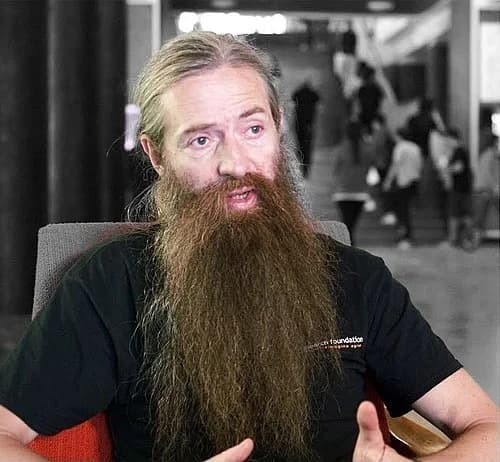
The term was coined by David Gobel of the Methuselah Foundation and popularized by biogerontologist Aubrey de Grey. It reframes radical life extension as staying ahead of a wave of incremental advances rather than waiting for a single miracle cure.
How It Works
Imagine you're 50 years old today with a life expectancy of 80. That gives you 30 years. If, over the next 15 years, medical advances push your expected age at death to 95, you've bought yourself an additional 15 years.
During those additional years, further advances might push your expectancy even higher. If the rate of medical progress exceeds the rate at which you age, you never catch up to your expiration date.
You don't need to cure aging all at once. You just need each generation of therapy to buy enough time to reach the next generation.
Requirements for LEV
Reaching LEV requires therapies that can:
Repair accumulated damage: Not just slow aging, but reverse it, clearing cellular waste, replacing lost cells, removing protein crosslinks.
Keep pace with deterioration: The repairs must work fast enough that new damage doesn't outpace the repairs.
Improve over time: Each generation of therapy must be more effective, handling damage types that previous generations couldn't address.
From Individual Therapies to Escape Velocity
LEV requires more than a successful treatment for one age-related condition. Different forms of damage interact, so repairing one system may leave another as the limiting factor. The larger opportunity is to combine approaches such as senolytics and epigenetic reprogramming into successive generations of repair.
The signature of LEV will be sustained gains in healthy lifespan, each generation of therapy extending the gains of the last. Biological-age markers help researchers test mechanisms along the way, but the real measure is survival: LEV describes the cumulative pace of medical progress, a property of the whole field rather than of any single treatment.
The Transition Generation
The people alive when LEV arrives form the transition generation: the first humans who never have to die of old age. Aubrey de Grey has put roughly even odds on reaching it in the 2030s. If he is anywhere close, many people reading this are within range.
No therapy available today gets anyone there on its own, and none of this is a basis for self-experimentation. The practical strategy is the one the longevity community already follows: stay as healthy as possible for as long as possible, so you are still here when successive generations of therapy arrive.
Related Concepts



Thinkers Exploring This



Related Articles