Key Points
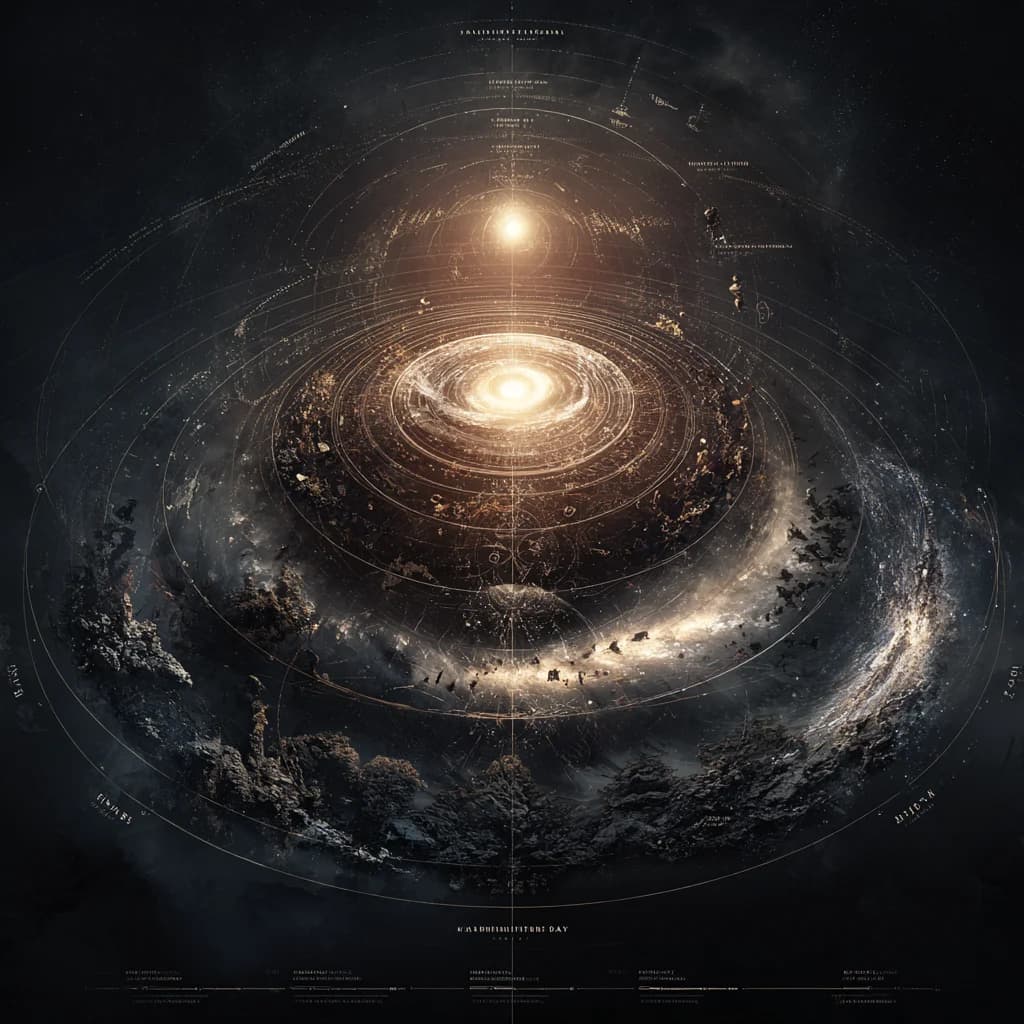
- •Hypothetical megastructure encompassing a star to capture its energy
- •Proposed by Freeman Dyson in 1960 as a sign of advanced civilizations
- •More practical variant: Dyson swarm of orbiting solar collectors
- •Could power civilizations of trillions or support massive computation
- •Represents a Kardashev Type II civilization milestone
The Concept
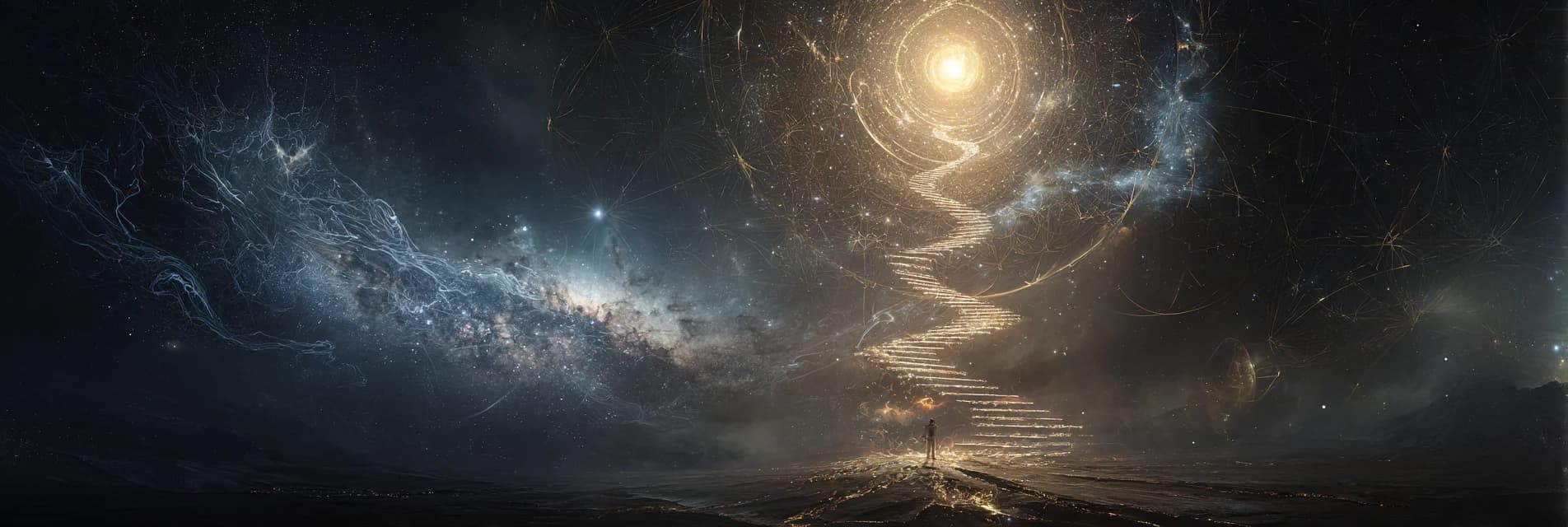
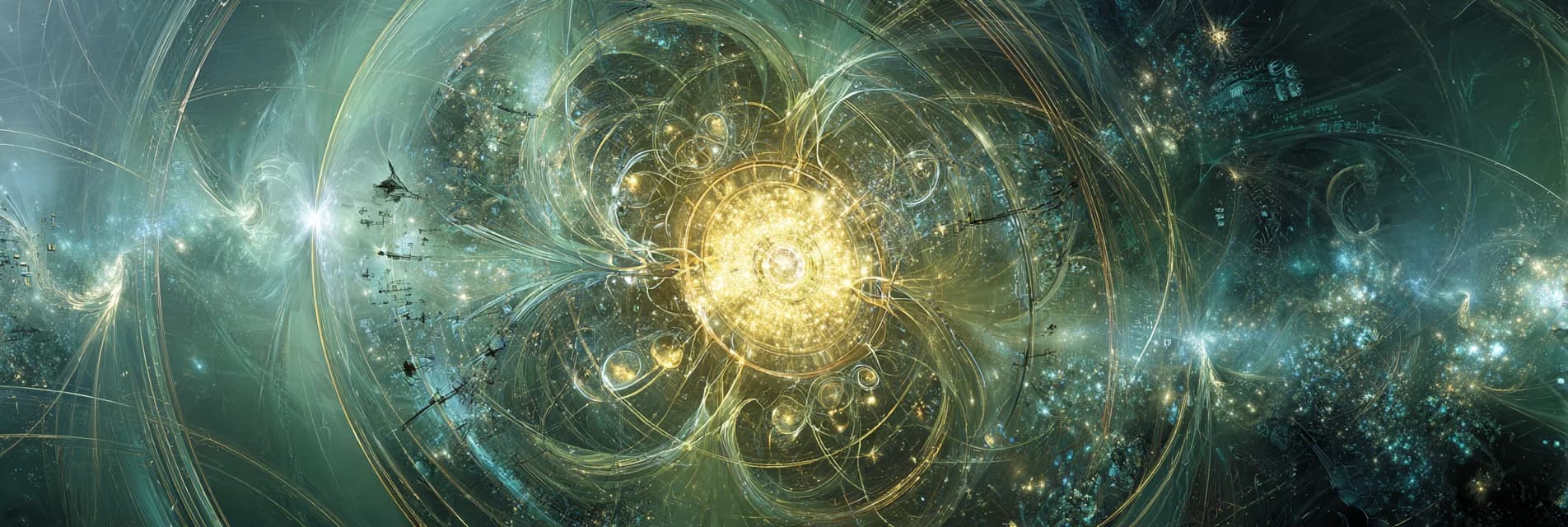
A Dyson sphere is a hypothetical megastructure that completely encompasses a star to capture the majority of its energy output. First described by physicist Freeman Dyson in 1960, it represents the logical endpoint of a civilization's energy needs, why settle for the tiny fraction of starlight hitting one planet when you could capture it all?
The idea wasn't original to Dyson; he credited Olaf Stapledon's 1937 novel Star Maker. But Dyson's contribution was to treat it as a serious astronomical phenomenon, something we might detect if advanced civilizations exist.
Variants and Implementations
The classic "solid shell" Dyson sphere is physically implausible, the structural requirements are impossible and it would be gravitationally unstable. But several variants are more realistic:
Dyson swarm: Millions or billions of independent collectors orbiting the star, collectively capturing most of its output. No single structure needs impossible strength.
Dyson bubble: Non-orbiting statites held in place by solar radiation pressure, using ultra-thin solar sails.
Dyson ring: A partial structure, perhaps a ring or series of rings, capturing some but not all stellar output.
A Dyson swarm is the most commonly proposed version: gradually build more collectors as your civilization's energy needs grow, until you've surrounded the star.
Energy Scale
The Sun radiates about 3.8 × 10²⁶ watts. All of human civilization runs on about 2 × 10¹³. Our own star offers roughly 19 trillion times the power humanity currently uses, nearly all of it streaming uselessly into space.
This is why the Kardashev scale uses stellar energy capture as the marker of a Type II civilization. Harnessing a star's full output is the natural next step after fully utilizing a planet's resources.
SETI Implications
Dyson reasoned that a Dyson sphere would be detectable. It would block visible light from its star but re-emit that energy as infrared radiation (waste heat). A star surrounded by a Dyson sphere would appear dim in visible wavelengths but bright in infrared.
Astronomers have searched for these "infrared excess" signatures. Some candidates exist, stars with unusual infrared profiles, but none have been confirmed as artificial structures.
Connection to the Singularity
A post-Singularity civilization might construct Dyson spheres rapidly using self-replicating machines, molecular nanotechnology, or superintelligent AI planning. What might take humans millennia could take a superintelligence years.
This raises a Fermi Paradox puzzle: if superintelligent AI is possible, and Dyson spheres are buildable, why don't we see the universe filled with them?
Related Concepts

Related Articles