Key Points
- •The hypothesis that consciousness depends on information patterns, not physical substrate
- •If true, minds could run on silicon, quantum computers, or any suitable medium
- •Foundational assumption for mind uploading and digital immortality
- •Challenged by theories requiring specific biological processes for consciousness
- •Related to functionalism in philosophy of mind
Mind as Software
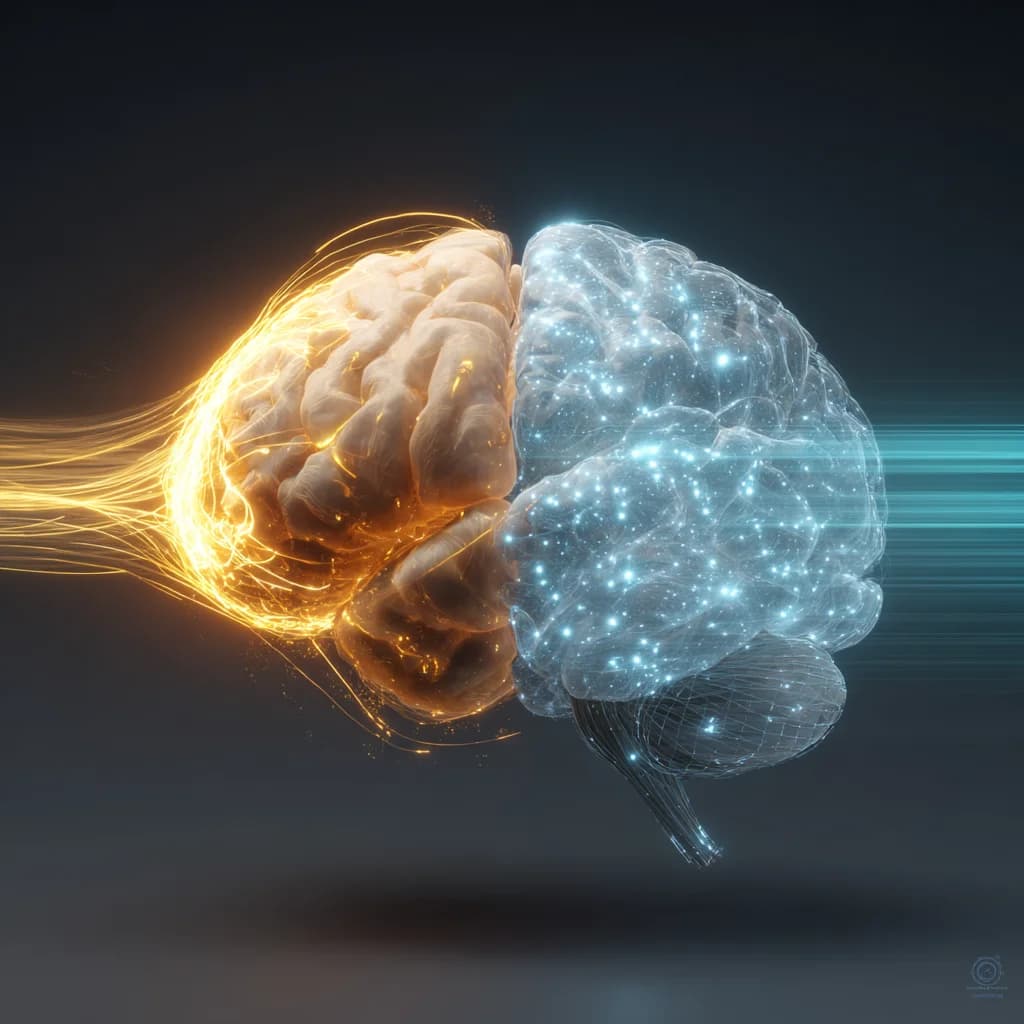
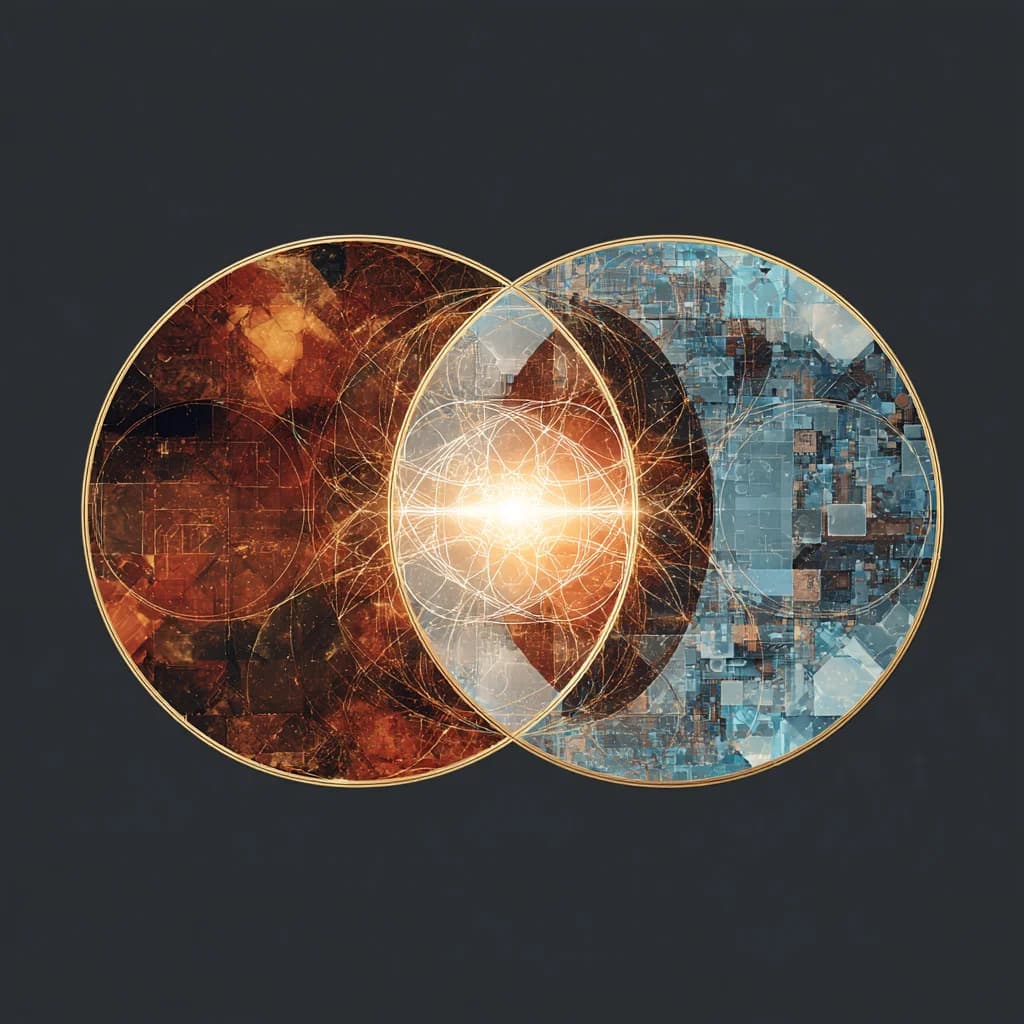
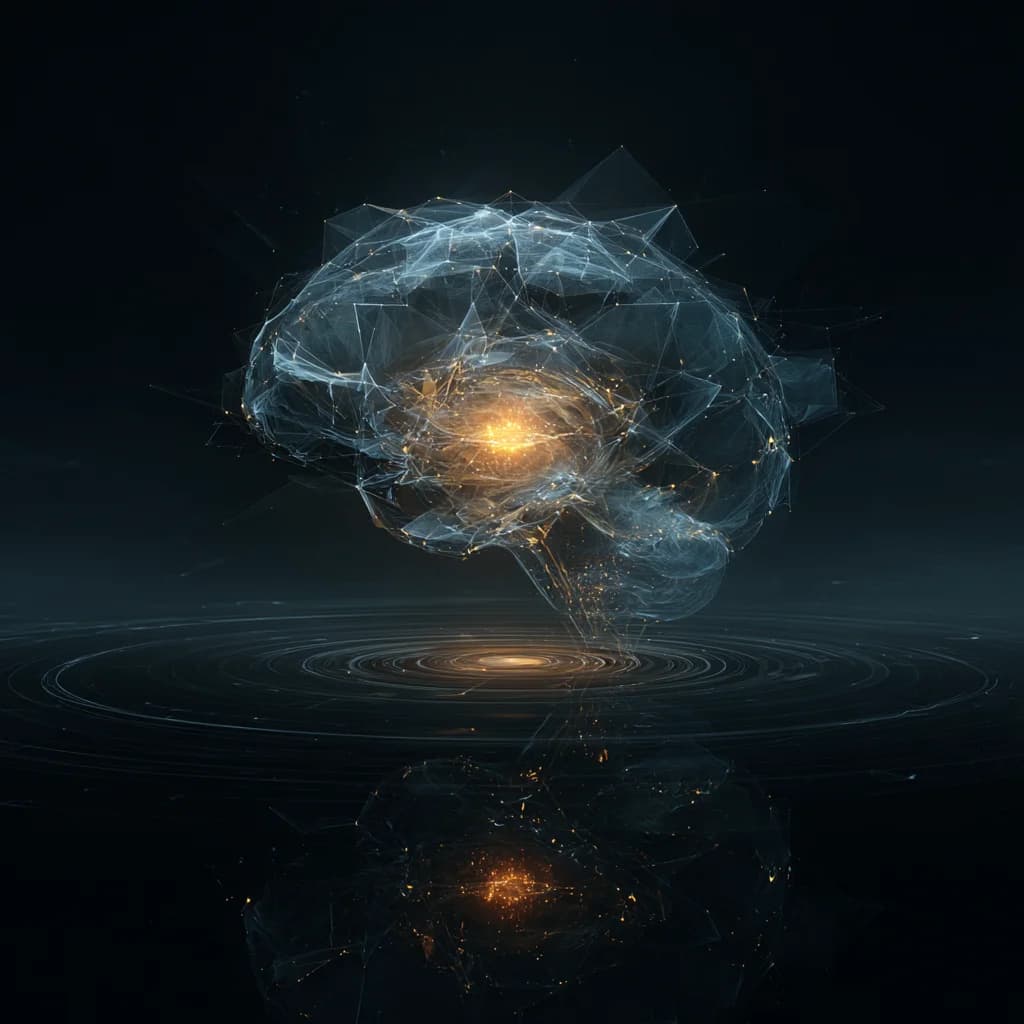
Substrate independence is the hypothesis that consciousness and personal identity depend on the pattern of information processing rather than the physical material that implements it. If true, a mind could run on neurons, silicon chips, quantum computers, or any other suitable medium, the "substrate" doesn't matter, only the computation.
This hypothesis is foundational to many transhumanist ideas, including mind uploading and digital immortality.
The Functionalist View
Substrate independence is closely related to functionalism in philosophy of mind. Functionalism holds that mental states are defined by their functional role, what they do, how they relate to inputs, outputs, and other mental states, not by their physical composition.
By analogy, the same program can run on different computers. Microsoft Word works on Intel chips, ARM chips, or any hardware that can execute its instructions. If minds are like software, they could similarly run on different hardware.
Arguments For
Multiple realizability: The same mental state (like "pain") can apparently occur in humans, octopuses, and other beings with very different neural architectures. This suggests it's the functional organization, not the specific biology, that matters.
Gradual replacement: If we replaced neurons one at a time with functionally equivalent artificial substitutes, consciousness would presumably continue. At the end, you'd have a non-biological brain that's conscious, suggesting biology isn't essential.
Simulation: We can simulate physical systems accurately on computers. If we simulated a brain at sufficient resolution, the simulation would produce the same outputs as the original, and if functionalism is correct, the same subjective experience.
Arguments Against
Biological naturalism: Philosopher John Searle argues consciousness arises from specific biological processes. A simulation that mimics behavior might not be conscious, like how simulating digestion doesn't actually digest food.
The hard problem: Even if a silicon brain behaves identically to a biological one, we can't verify it has subjective experience. The hard problem of consciousness remains unsolved.
Embodiment: Some argue consciousness requires a body interacting with a physical environment in specific ways that can't be replicated in silicon.
Unknown physics: Consciousness might depend on quantum effects, electromagnetic fields, or other physical phenomena that can't be captured in classical computation.
The Functionalist Reply
Each objection has a strong answer. Searle's digestion analogy cuts the other way: digestion transforms matter, so a simulation of it digests nothing, while a simulated calculator really does calculate, because calculation is information processing. If thought is information processing too, a faithful simulation of it is thought. The quantum objection has found little support, since the brain is warm, wet, and noisy, conditions that destroy delicate quantum states in a tiny fraction of a second. And the gradual-replacement argument leaves skeptics needing to name the neuron whose replacement switches consciousness off.
Implications If False
If consciousness requires specific substrates:
- Mind uploading would create a copy but kill the original
- AI might achieve intelligence without consciousness
- Digital immortality might be impossible
- We might be unable to verify AI consciousness
Implications If True
If substrate independence holds, the ceiling on mind disappears:
- Mind uploading becomes possible in principle
- Digital immortality is achievable
- Artificial consciousness is possible
- Minds could be copied, merged, and accelerated
- Personal identity becomes a matter of pattern rather than matter
Related Concepts

Thinkers Exploring This

Related Articles