Key Points
- •The Ship of Theseus problem applied to minds
- •Psychological continuity: memory, personality, beliefs
- •Physical continuity: same body, brain, or substrate
- •Pattern identity: you are the pattern, not the matter
- •Critical for evaluating mind uploading, teleportation, gradual replacement
The Ship of Theseus Problem
If a ship's planks are replaced one by one until no original material remains, is it still the same ship? This ancient puzzle applies directly to minds.
Our bodies replace most of their atoms over years. Our brains change constantly, neurons rewiring, memories shifting. Yet we feel like the same person. What makes you "you" over time?
This question becomes urgent when considering technologies that might radically transform or copy minds.
Theories of Personal Identity
Physical continuity: You are your body (or brain). The same physical matter over time constitutes the same person. Problem: your matter changes constantly.
Psychological continuity: You are your memories, personality, and mental connections. If memories chain together over time, personal identity persists. Problem: what if memories are copied?
Narrative identity: You are the story you tell about yourself. Identity is constructed, not discovered. Problem: stories can be told differently.
No-self theories: There is no persistent self, only momentary experiences that the brain strings together. "You" are an illusion. Problem: then who is reading this?
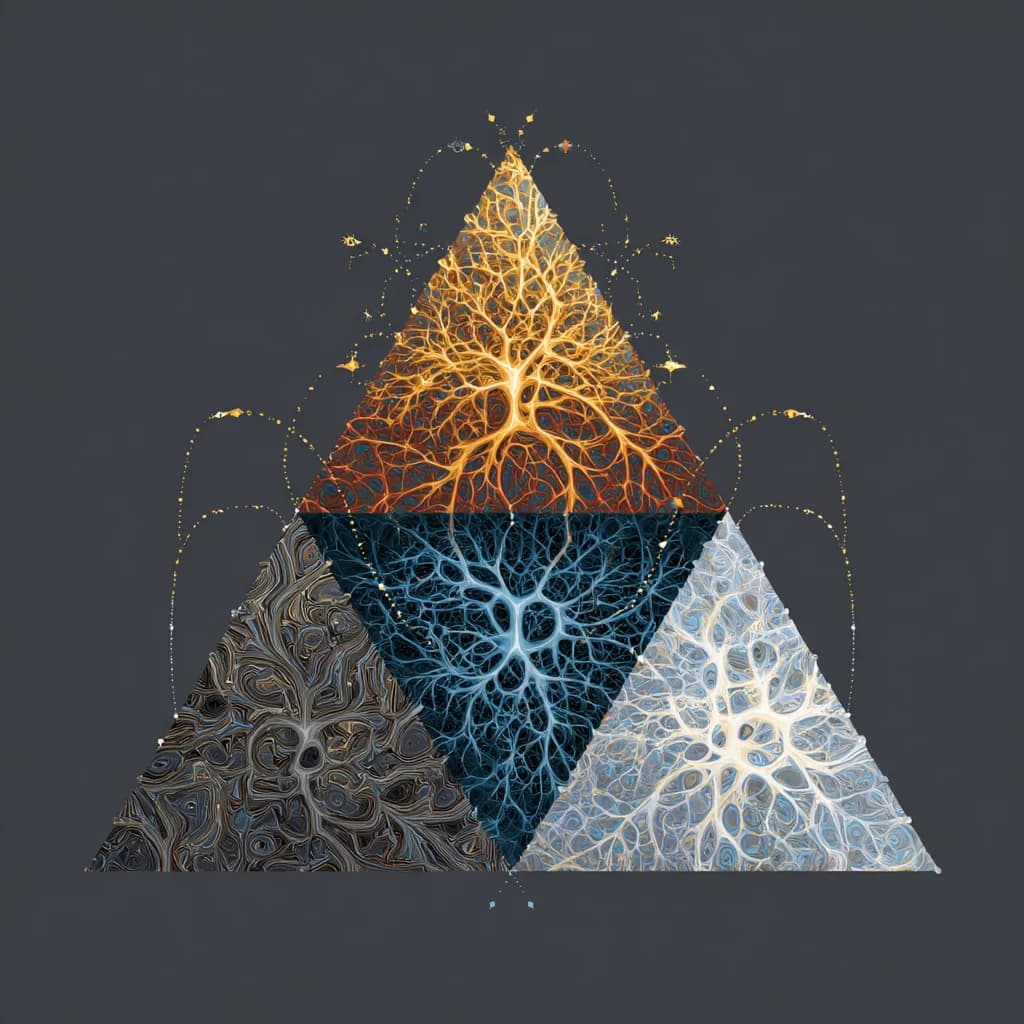
Pattern identity: You are the pattern: the structure of memories, dispositions, and ways of processing that persists while the atoms come and go. Hans Moravec and Ray Kurzweil hold versions of this view. It explains how you survive the constant turnover of your matter, and it is the view that makes uploading a form of survival rather than a copy.
The Copying Problem
Consider a Star Trek transporter that disassembles you, transmits the information, and reconstructs you elsewhere. Is the person who arrives "you"?
What if it doesn't destroy the original, now there are two of you. Which one is the real you? Both have equal claim to your memories and identity.
Mind uploading presents the same puzzle. If your brain is scanned and emulated on a computer, is the emulation "you"? If your biological body keeps living, which one gets to continue your life, your relationships, your possessions?
Parfit's View
Philosopher Derek Parfit argued that personal identity doesn't matter in the way we think. What matters is psychological continuity, the preservation of memories, intentions, and character.
Whether the being tomorrow who wakes up with your memories is "really you" in some deep metaphysical sense is less important than whether they're psychologically continuous with you today. Identity is a matter of degree, not all-or-nothing.
This view makes the transporter problem less troubling: the person who arrives is psychologically continuous with you, and that's what matters.
Implications for Technology
How you answer these questions determines whether life extension technologies achieve their goal:
- If uploading creates a "new person" who merely resembles you, it doesn't save you
- If gradual replacement preserves identity while radical change doesn't, the method matters
- If identity is illusory anyway, perhaps we're asking the wrong questions
The answers carry practical weight: they determine whether you sign up for cryonics, embrace uploading, or choose gradual cyborgization.
Related Concepts


Related Articles