Key Points
- •Nick Bostrom's argument: at least one of three propositions is true
- •1) Civilizations go extinct before creating simulations, 2) They choose not to, 3) We're in one
- •If simulations are possible and common, most minds exist in simulations
- •Implications for physics, consciousness, and the nature of reality
- •Related to questions about substrate independence and digital existence
Bostrom's Trilemma
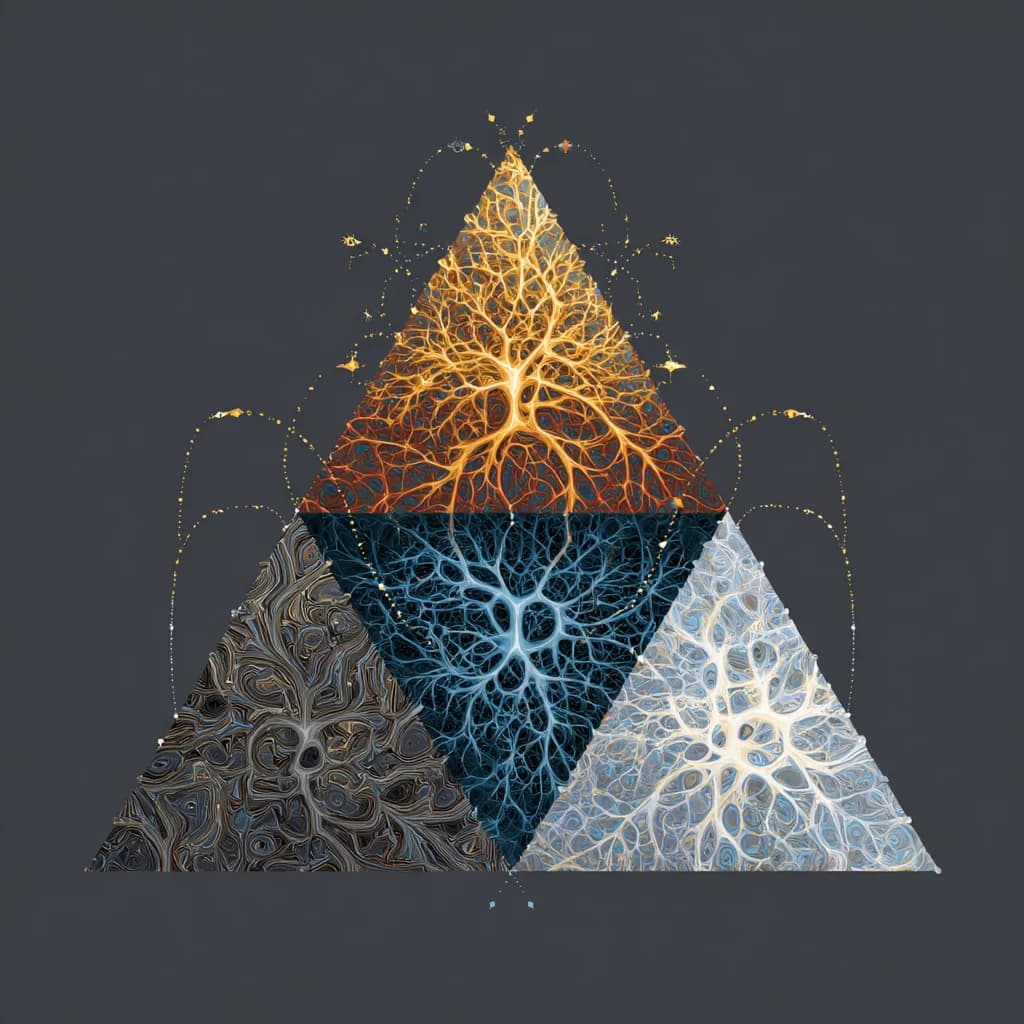
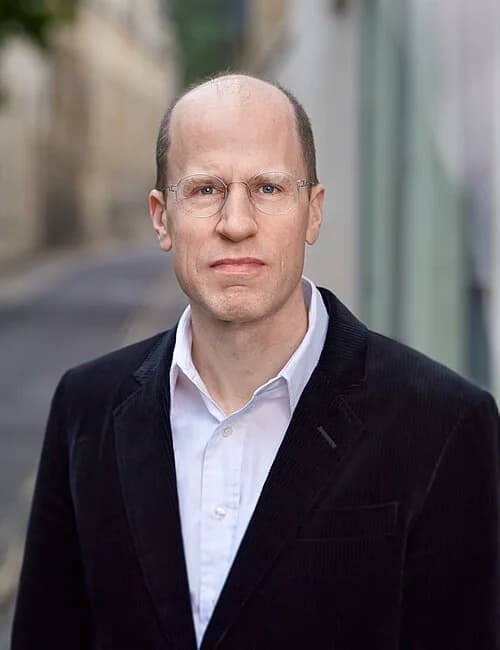
In 2003, philosopher Nick Bostrom presented a striking argument: at least one of the following propositions must be true:
1. Virtually all civilizations at our level of development go extinct before becoming capable of running realistic simulations of minds
2. Virtually all posthuman civilizations have no interest in running such simulations
3. We are almost certainly living in a computer simulation
The logic is straightforward. If civilizations can and do run simulations, they could run many of them, far more simulated minds than "real" ones. If so, a randomly selected conscious being is overwhelmingly likely to be simulated.
The Argument's Structure
The simulation argument makes a narrower claim than it first appears: one of three possibilities must hold.
Extinction filter: Technology capable of simulating minds may be impossible to achieve before extinction. Perhaps civilizations always destroy themselves first.
Convergent disinterest: Perhaps all advanced civilizations choose not to run simulations, due to ethical concerns, lack of interest, or other reasons we can't foresee.
We're in a simulation: If neither of the above is true, if simulations are created, then most minds that will ever exist are simulated, and we're probably among them.
Implications If True
If we're in a simulation, several consequences follow:
Reality has creators: Someone or something designed and runs our universe. This resembles religious worldviews but with computational rather than divine origins.
Physics may have glitches: Simulators might take shortcuts that could manifest as strange physical phenomena at extreme scales or energies.
The simulators might intervene: Our reality could be modified, paused, or terminated at the whim of those running it.
Nested simulations: We might create our own simulations, which create theirs, and so on, reality as recursive computation.
Connection to AI and the Singularity
The simulation hypothesis intersects with AI development in several ways:
If we create superintelligent AI that runs vast simulations, we increase the probability that we ourselves are in one. Our technological trajectory may be evidence about our situation.
Conversely, if we're in a simulation, the simulators might be particularly interested in periods of rapid change, like an approaching Singularity, making this era especially likely to be simulated.
Philosophical Status
The simulation hypothesis is taken seriously by many philosophers and physicists, though opinions on its probability vary widely. What makes it compelling is how hard it is to rule out: if civilizations develop as we expect, the math may favor it.